
Summer Ready: Paracord Gear You Should Have Before Your Next Adventure
Summer doesn't wait for you to be prepared. Camp trips get planned on a Tuesday and happen by the weekend. Trailheads fill up fast. Gear gets packed in a hurry, and the stuff that actually gets used is the stuff that was already in the bag.
Paracord earned its reputation by being exactly that kind of gear. But "paracord" isn't one product. It's a whole toolbox of cord types, each built for a different job. If your kit is just 550 paracord and nothing else, you are leaving capability on the table. Here is what belongs in it before your next trip, and what you can actually do with each one.
Camp Cord for the Jobs You Do Every Single Day
Not every task needs 550 lbs of tensile strength. Hanging a clothesline, stringing up a tarp, marking a tent guy line in the dark. These are everyday camp jobs, and they call for something lighter and built specifically for them.
Our Camp Cord runs a 1.8mm diameter with a 3-strand inner core and a 200+ lb breaking strength. It does not absorb water, and several colors come with reflective tracers built into the sheath, which matters more than you'd think once the sun goes down and you're tripping over your own guy lines.
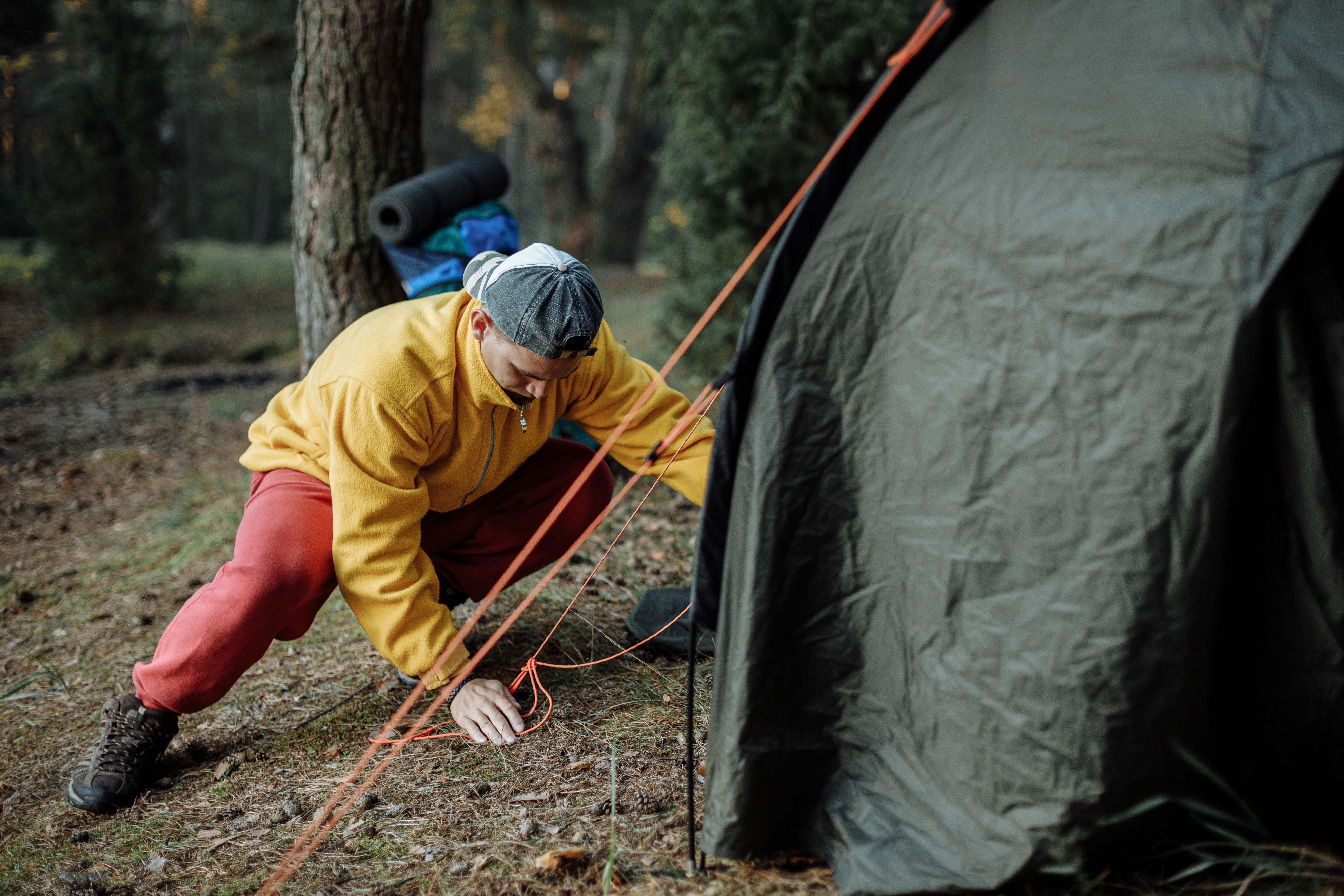
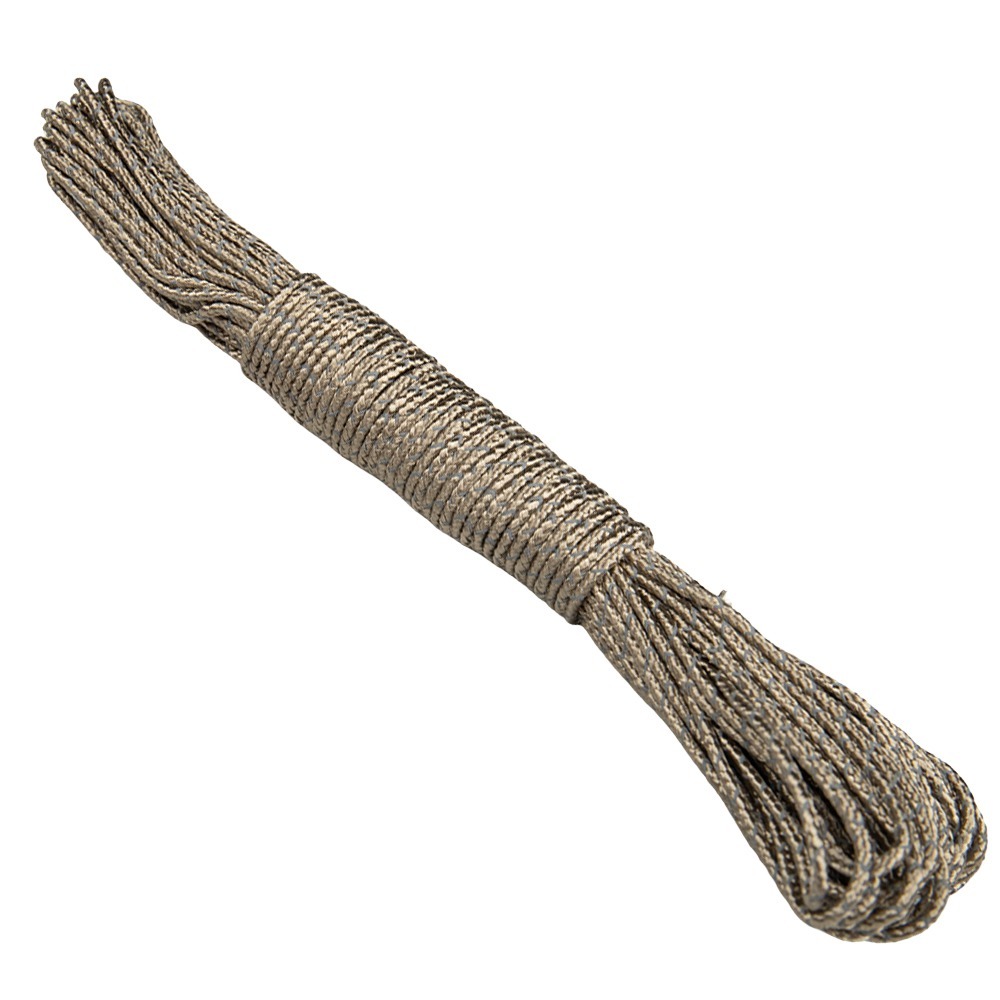
It's not rated for load-bearing or personal support, but for the dozens of small jobs around a campsite, it's the right tool instead of an overbuilt one. Hoist a bear bag out of reach. Rig a quick gear line inside your tent for wet socks and headlamps. Lash a tarp corner to a low branch. And if you want a quick, genuinely useful trick to try this weekend, this camping hack shows exactly the kind of small job this cord was made for:
If camping is the whole reason you're building a kit this summer, we already put together a rundown of 5 reasons to pack paracord on your next camping trip, worth a read before you finish packing.
Shock Cord for Anything That Needs to Stretch
Paracord holds. Shock cord gives. That difference matters more on a summer trip than people expect.
Elastic and shock cord is built for tension, not just strength, and it comes in a range of diameters from thin 1/16" elastic up to heavier 1/2" shock cord. Securing a tarp that needs to flex in the wind, lashing gear to a pack frame, replacing a worn bungee on a kayak deck, rigging a quick shock-corded tent pole repair in the field. Stretch is the feature here, not a flaw.
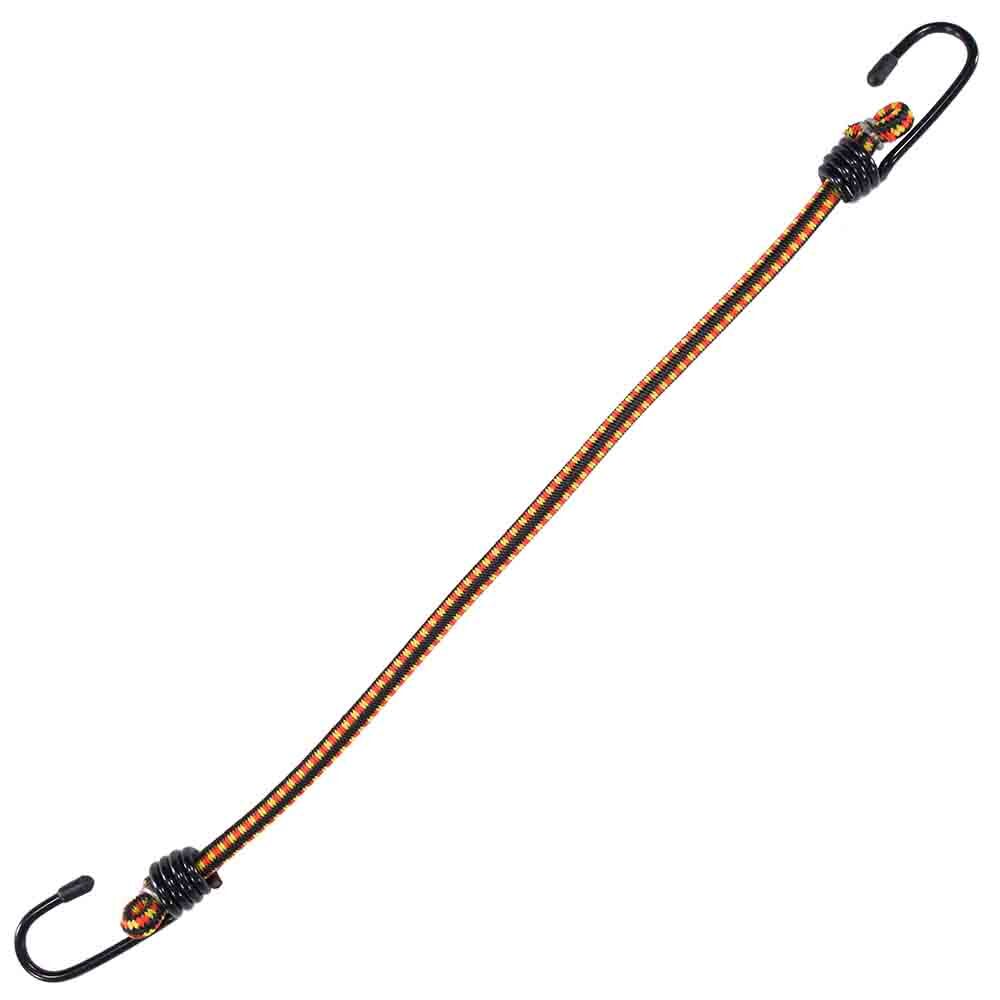
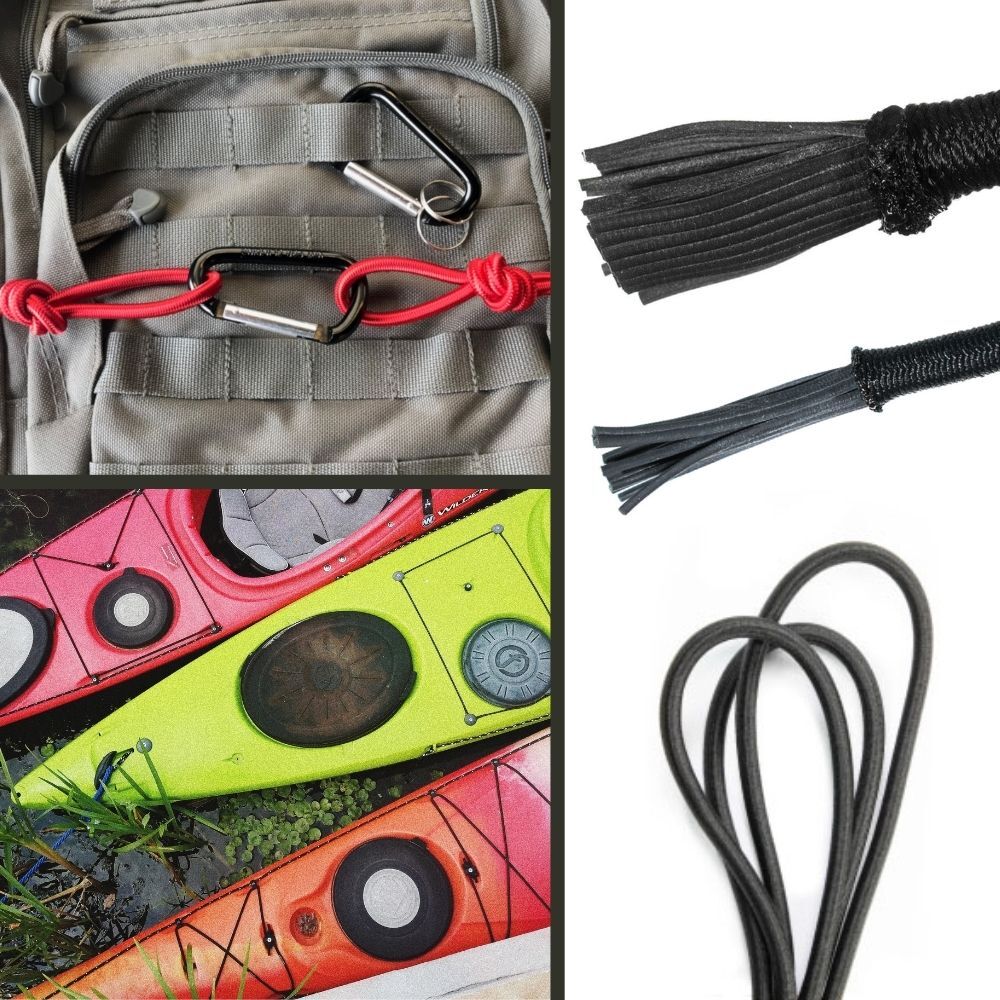
It has crafting uses too. Shock cord is a common choice for beaded jewelry and stretch bracelets since it holds knots under tension without needing a clasp, and it shows up in DIY gear repairs like rebuilding worn-out bungee tie-downs or replacing snapped drawstrings on packs and stuff sacks. Match the diameter to the job. Thin elastic for jewelry and light tension, heavier shock cord for anything that needs real pull.
Para-Max for When the Job Gets Heavier
Some summer projects outgrow standard paracord fast. Hammocks, tree swings, towing gear, anything where 550 lbs starts to feel thin.
Para-Max steps up to a 1,200 lb tensile strength in the 1/4" size, built around 3 core strands wrapped in a 32-strand woven nylon sheath. The thicker 6.35mm diameter gives it a more substantial feel in hand without losing flexibility. If that's still not enough, the 5/16" version climbs to 3,000 lbs.
This is the cord for the projects where you'd otherwise be reaching for hardware-store rope: building a sturdy hammock, hanging a tree swing that needs to hold real weight, securing a tarp shelter in high wind, or towing a stuck kayak back to shore. It also holds up well for heavier craft builds like thick-strand dog leashes, rugged bag straps, and belt projects where a standard 550 weave would feel flimsy. For a look at a heavier-duty bracelet build that pushes past the basics, this one is worth watching:
Curious how many other jobs paracord and its variations can cover? We rounded up 85 real uses for paracord, and it barely scratches the surface.
Para-Lock for Knots That Actually Hold
If you've ever had a knot slip loose mid-project, you know the frustration. Smooth nylon sheaths look clean but give knots less to grip.
Para-Lock Cord solves that with a textured nylon sheath, rated at 450 lbs, that gives knots extra surface to bite into and hold. It still keeps the water resistance you expect from paracord.
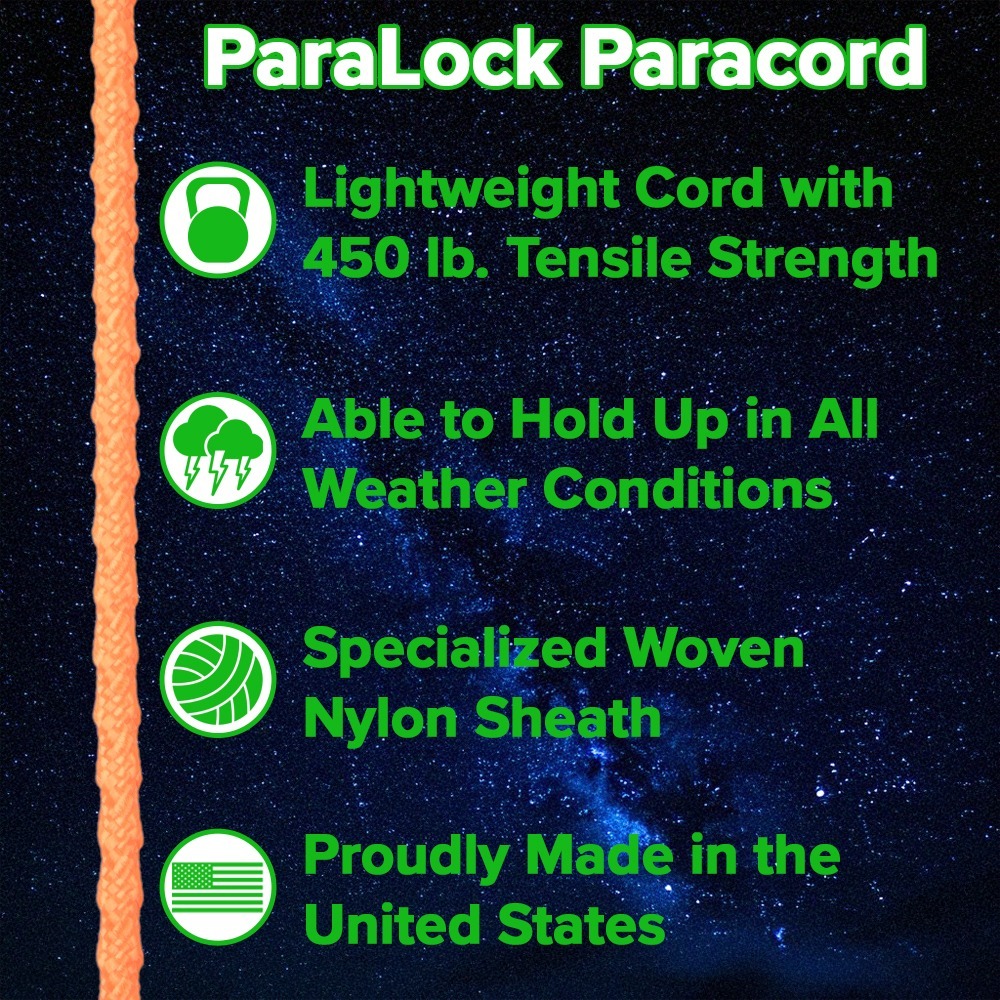
That texture is especially useful for detailed knotwork and weaves where a slick sheath tends to fight you: cobra weaves, fishtail braids, and anything with a lot of tension changes between knots. If you're new to weaving or want a refresher before trying it in Para-Lock, our cobra weave photo tutorial walks through it step by step. For a weekend project that stays put through a summer of use, whether that's a bracelet, a lanyard, or a handle wrap, this is the cord to reach for.
Utility Rope for the Jobs Paracord Isn't Built For
Not everything calls for paracord, and a good kit knows the difference. Sometimes you need rope, not cord.
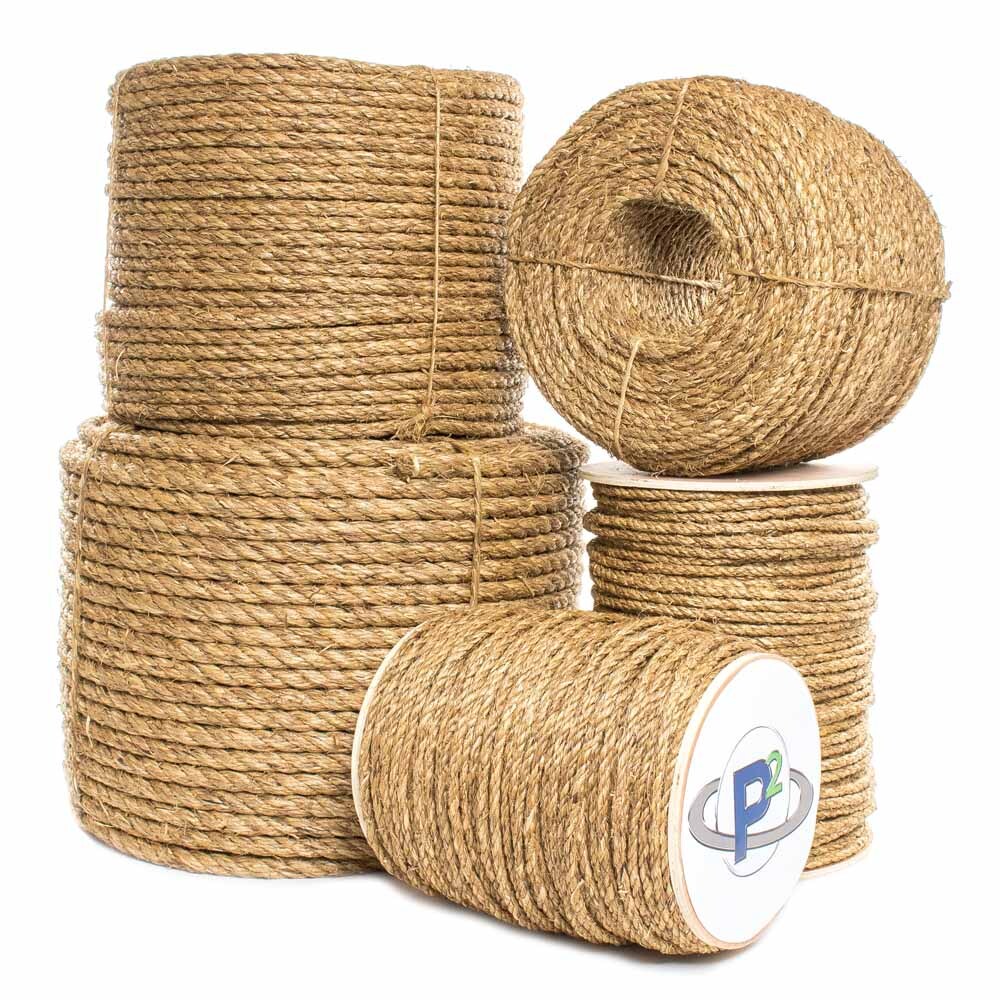
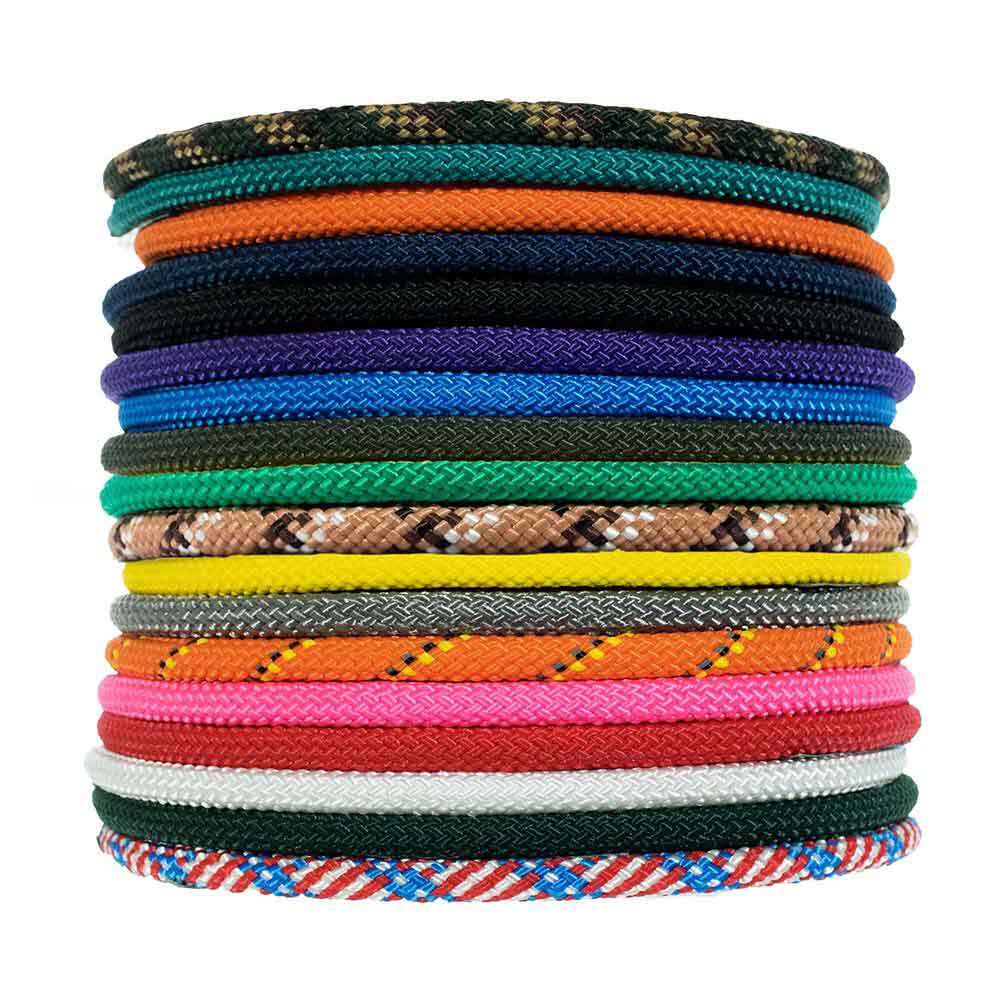
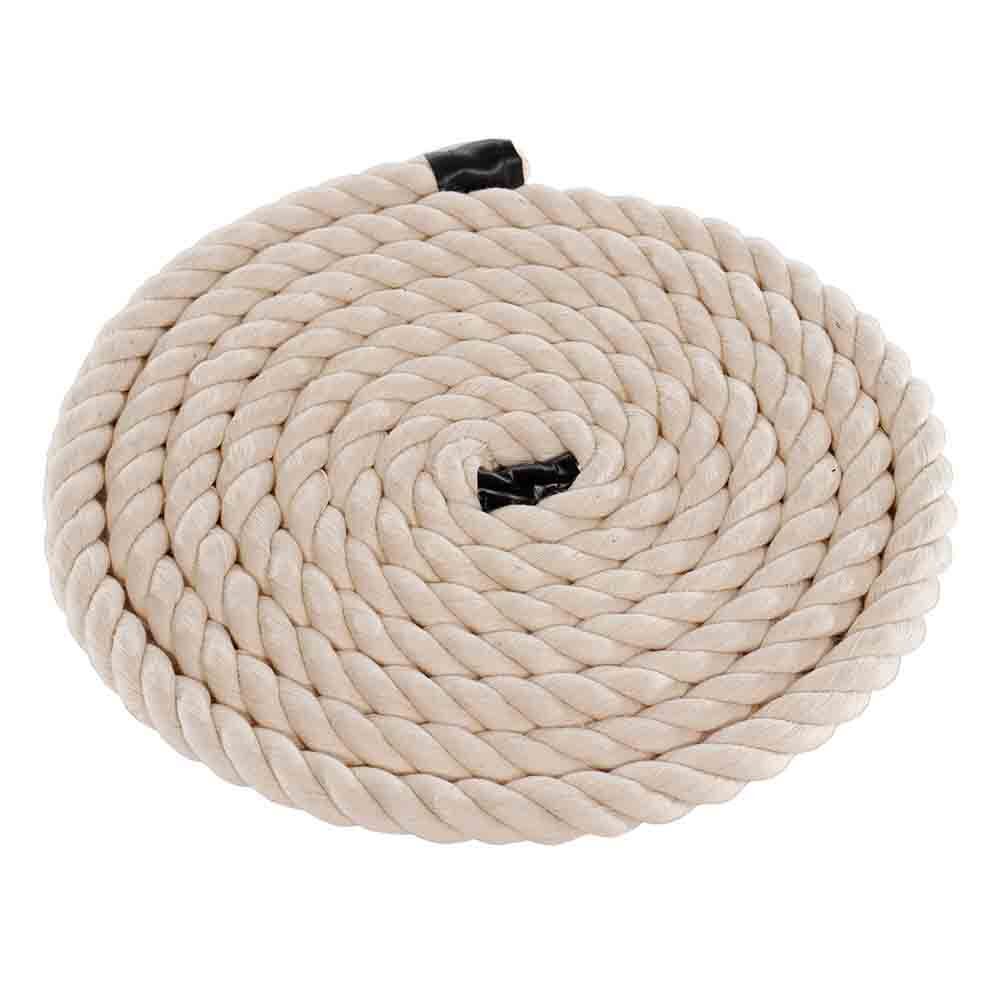
Our Utility Rope lineup covers that gap with polypropylene, cotton, and manila options across a range of diameters. Cotton rope and clothesline work well for a simple camp drying line. Polypropylene rope handles heavier tie-downs, dock lines, and gear hauling where you need more bulk and abrasion resistance than any paracord variation offers. Keep a length in the kit alongside your paracord, not instead of it. If you're not sure which cord or rope actually fits your project, our cord comparison chart breaks down strength, diameter, and best uses side by side.
750 Paracord for More Margin
Some makers and outdoorsmen want a little more strength than 550 without jumping all the way to Para-Max. That's where 750 paracord comes in.
750 Paracord is built with 11 inner 3-ply strands at a 5mm diameter, rated to a 750 lb minimum break strength under MIL-C-5040H spec, the same standard used by NASA, the military, and law enforcement. It's a step up in capability without a step up in bulk.
That extra margin makes it a solid pick for gear that takes real abuse: dog leashes for bigger dogs, heavier-duty belts, rappelling and rescue-adjacent projects, or any survival kit build where you want more confidence than standard 550 offers. If you want a reminder of why that margin matters in the field, The Final Strand: Real Paracord Survival Stories is worth a read.
550 Variations Worth Knowing About
550 paracord is the foundation, but the variations are where things get interesting. Our 550 Variations lineup includes options like Survival Cord, Wilderness Cord, and Tinder Cord, built around the same 550 platform but engineered with extras that turn a standard bracelet into something genuinely useful in the field.
Survival Cord adds utility strands built into the core for tasks beyond basic cordage. Tinder Cord works fire-starting material right into the construction, so a single bracelet or lanyard doubles as an emergency fire source. Both are worth building into wearable projects. If you've never made a survival bracelet, this is a fast, beginner-friendly place to start:
Once it's finished, you've got 8 to 12 feet of deployable cord, plus whatever extras the variation adds, on your wrist for the rest of the season.
Build the Kit Before You Need It
Summer adventure gear isn't about owning one type of cord. It's about having the right cord for the right job, before you're standing at a campsite wishing you had it. Camp Cord for the everyday stuff. Shock cord for what needs to flex. Para-Max and 750 for the heavier work. Para-Lock for knots that hold. Utility rope for the jobs paracord wasn't built for. Survival and Tinder Cord for gear that pulls double duty.
If you're starting from scratch or just filling gaps in your kit, our Cobra Bracelet Kit is still one of the easiest ways to get hands-on with paracord fundamentals. Head to our video tutorials page for more builds, or visit The Paracorner for the full library of guides, patterns, and stories.
Pack smart. The trip won't wait.