

The Final Strand: Real Paracord Survival Stories
You've seen them everywhere - Paracord bracletes, keychains, survival straps... They make your gear look cool, its trendy, and any outdoorsman is sure to have 550 cord on their packing list. You have heard people stress the importance of having this cord on hand, but let's be honest... has anyone ever actually used a paracord bracelet when it mattered? Unravled it in an emergency and it saved the day?
Chances are that if you’re here on the Paracord Planet Blog, you aren’t a first-time para‑connoisseur. You know the value of a few feet of strong, versatile cord — and maybe you’ve even wondered whether those braided bracelets and keychains live up to the hype.
We went digging and what we found weren’t hypothetical scenarios or staged “survival” videos. These are real people, in real situations, unraveling their bracelets, pulling cord from keychains, and making it do exactly what it was meant to do.
This isn’t about fashion. This is about survival. This is why paracord matters.
When the Hood Flew Up at 70 MPH
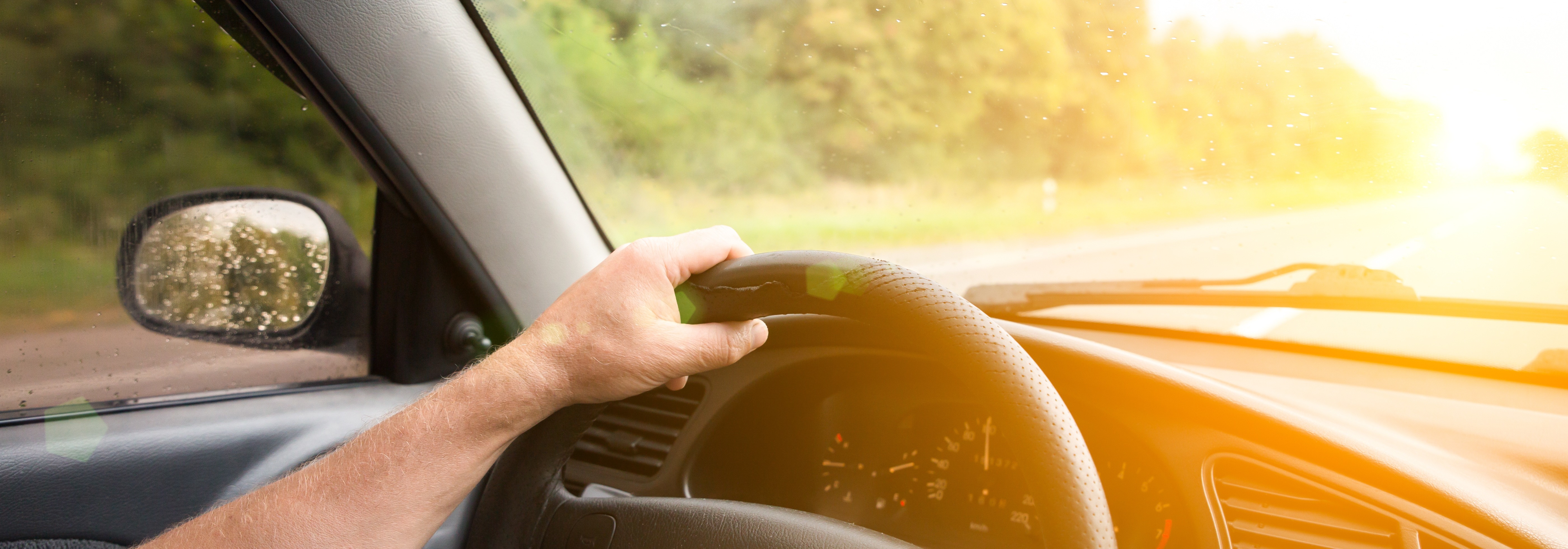
It’s one of those things you never expect to happen until it does. CanadianBlacon had worn a paracord bracelet for a while, but eventually it ended up tossed in his glove box because it was “annoying.” Then one day, while driving down the highway at full speed, his hood suddenly flew up and slammed against the windshield. In an instant, his visibility was gone. Traffic was moving fast, and he had nothing in the car to secure it. As he later put it, he “had nothing to tie it down with other than my paracord.” That bracelet — the one that had been sitting forgotten in the glove compartment — became the only solution available. He looped it through the frame and tied the hood down tightly enough to get off the highway safely. It wasn’t a backcountry survival story. It was everyday life, moving at 70 miles per hour, and a simple length of cord made all the difference.
The Pack That Slid Down the Mountain
— Anonymous
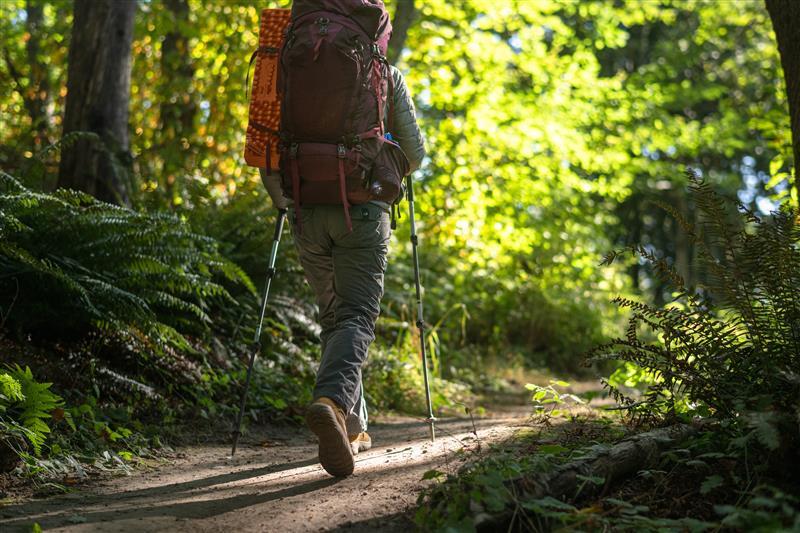
A hiking pack tumbling down a steep, rocky slope has a way of turning a good day into a serious problem. One hiker shared how his pack suddenly slipped and disappeared below him, landing far enough down the incline that retrieving it meant risking a dangerous descent. “My hiking pack fell down a very steep and rocky slope,” he explained. Instead of panicking, he looked down at what he was wearing and realized his bracelet could do more than just sit on his wrist. He undid it and “used it as a bit of a weak belay cord” while carefully working his way down toward the pack. The bracelet’s D-ring clasp became an unexpected advantage. “I just tied it to my bag and as I climbed back up I used it like a pulley to haul my bag with me.” It wasn’t professional climbing equipment, and it wasn’t pretty, but it was enough. In that moment, the bracelet wasn’t an accessory — it was a lifeline to the gear he needed to finish the hike safely.
Three Days in the Quachitas
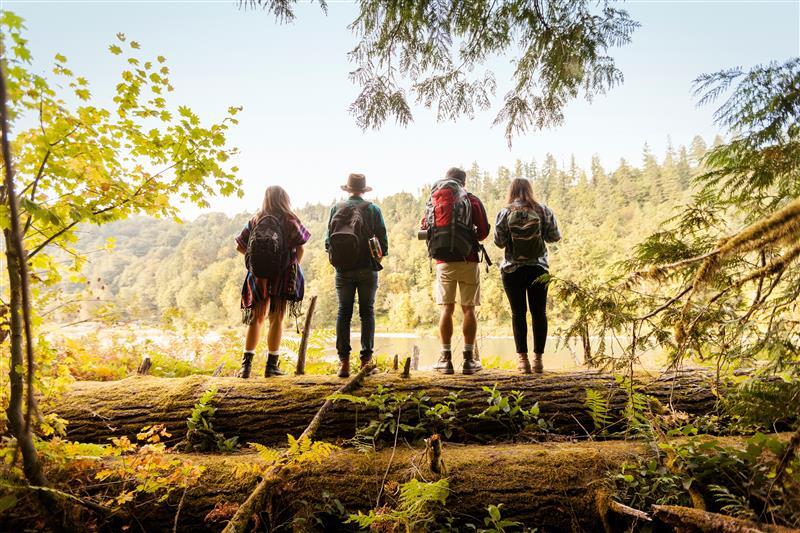
Confidence can sometimes be louder than preparation. As viordeeiisfi admitted, “me and my dumb friends thought we knew anything about hiking just due to military service.” What was meant to be a short day trip in the Ouachita Mountains stretched into three days after they got lost. They had no food, forgot the trail guide, and brought no shelter equipment. When night temperatures dropped near 20 degrees and cold rain began cutting through the trees, the seriousness of their situation set in. They managed to find a beaten-up, discarded tarp, but a tarp alone isn’t shelter unless you can secure it. “To set it up we used a Paracord bracelet, and all 6 of our shoelaces.” That single bracelet became the ridgeline that held their makeshift refuge together against wind and rain. It wasn’t a textbook survival setup, but it was enough to get them through the night — and the next one — until they found their way out. In the end, it wasn’t skill or pride that carried them home. It was a few strands of cord that held when they needed it most.
Fifteen Feet Above a River
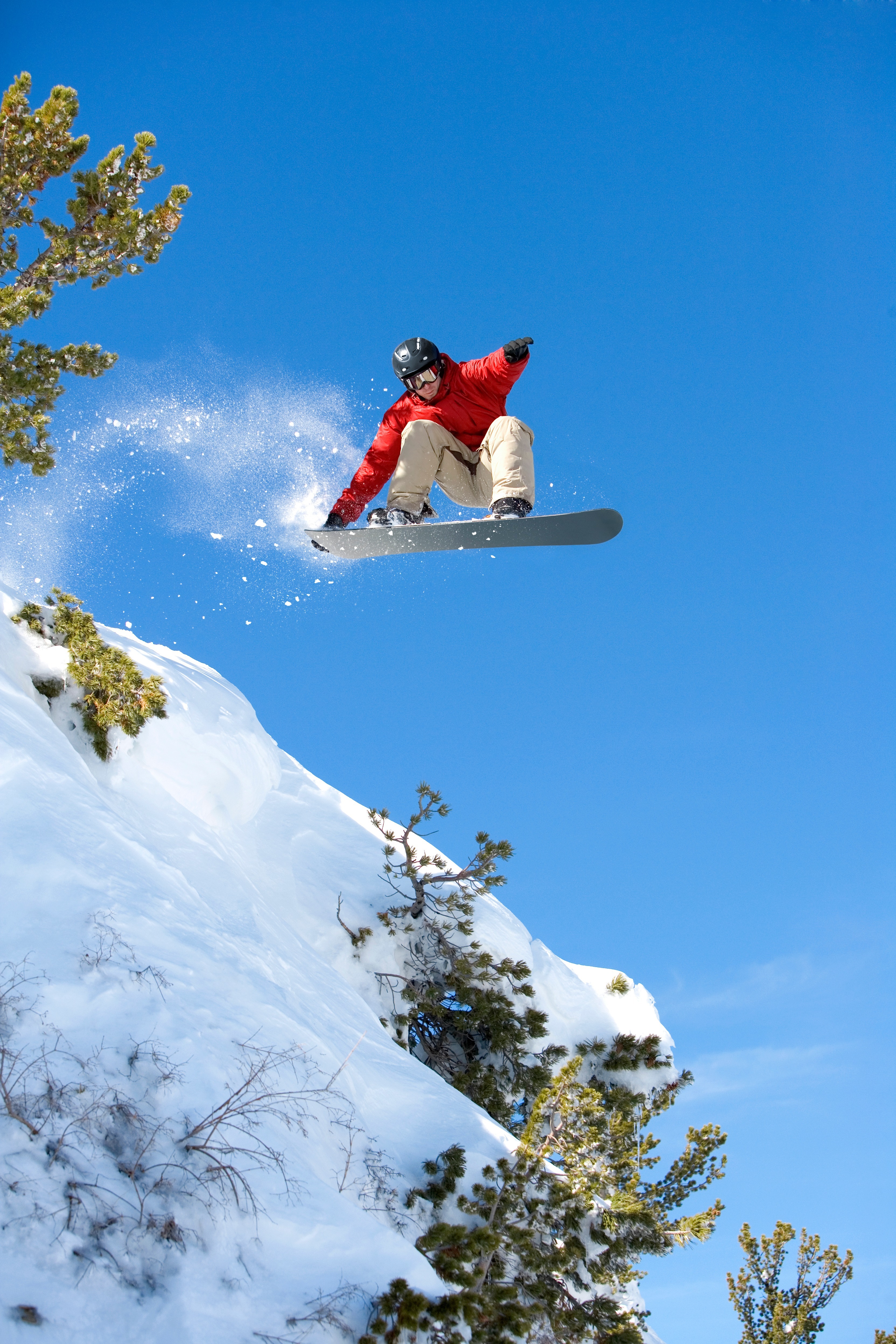
Backcountry snowboarding always carries risk, but no one expects the ground beneath them to disappear. Snow_boarder described how a member of their group rode straight into a hidden sinkhole with a river running roughly fifteen feet below the snow surface. Somehow, the rider managed to catch the wall of the hole and hold himself in place with only his head above the snow. “4 of us stopped but we couldn’t extract him without risking falling in ourselves,” he recalled. They had no rope and no rescue gear. What they did have was a paracord bracelet. One rider quickly unwound it and tied one end to a nearby tree. The trapped snowboarder wrapped the other end around his hand and arm, using the tension to help keep himself pressed against the wall while two others raced for help. “I’m pretty sure the guy was rescued,” snow_boarder said later. The bracelet didn’t haul him out of the hole, but it bought him something just as valuable in that moment — time. And sometimes, time is the thin line between a close call and something far worse.