
Shockingly Useful Cordage
A tent pole snaps at camp. A truck bed load shifts on the highway. A zero-gravity chair loses its stretch after three summers on the patio. Different problems, same fix: shock cord.
Shock cord gets lumped in with bungee cord and elastic cord more often than it should. The three share a family resemblance, but they stretch differently, hold differently, and belong to different jobs. Here's what separates them, and where each one earns its place in a kit or a craft bin.
What Shock Cord Actually Is
Shock cord is a rubber core wrapped in a polyester sheath, built to be compact, durable, and stable under repeated stretching. The spec that matters most is elongation: shock cord stretches to about double its original length, a 100% elongation rating. Elastic Cord stretches to about one and a half times its length, roughly 50% elongation. That difference in stretch is why we carry them as two separate product lines instead of one generic "stretchy cord."
One honest caveat: most shock cord isn't sold with a standardized weight rating, and elasticity declines over time with sun and temperature exposure. Match cord thickness to the job instead of assuming thicker always means stronger hold. Shock cord is not rated for life-bearing loads: it is not a climbing rope, a rappelling line, or a substitute for anything holding a person's body weight.
Shock Cord vs. Elastic Cord vs. Bungee Cord
| Type | Elongation | Best For |
|---|---|---|
| Elastic Cord | ~50% | Jewelry, headbands, lanyards, decorative crafts |
| Shock Cord | ~100% | Tie-downs, tent pole repair, gear fastening |
| Bungee Cord (hooked) | Varies by grade | Cargo, hauling, outdoor tie-down where hooks are needed |
Not sure which one your project needs? The cord comparison chart breaks down specs across every main cord type we carry, side by side.
Diameter Guide
Diameter should match the load and the job, not just what's on hand.
| Diameter | Best For |
|---|---|
| 2.5mm | Fine detail work, small crafts, delicate repair |
| 1/8" | Shoelace replacement, lacing, light repair |
| 3/16" | General-purpose repair, cord ties |
| 1/4" | Straps, tie-downs, tent pole repair |
| 5/16" | Heavier straps, chair and furniture repair |
| 3/8" | Cargo tie-down, gear fastening on trucks and trailers |
| 1/2" | Heavy tie-down, tarp and large cargo work |
| 5/8" | Heaviest-duty tie-down, industrial and large-load restraint |
Outdoor and Self-Reliance Uses
Tent pole repair is the classic use, and for good reason. A section of shock cord run through the pole segments, keeping a broken pole functional until it can be replaced. The same stretch works for cargo and gear tie-down on trucks, trailers, and ATVs, where shock cord absorbs road vibration instead of transmitting it straight to whatever is strapped down.


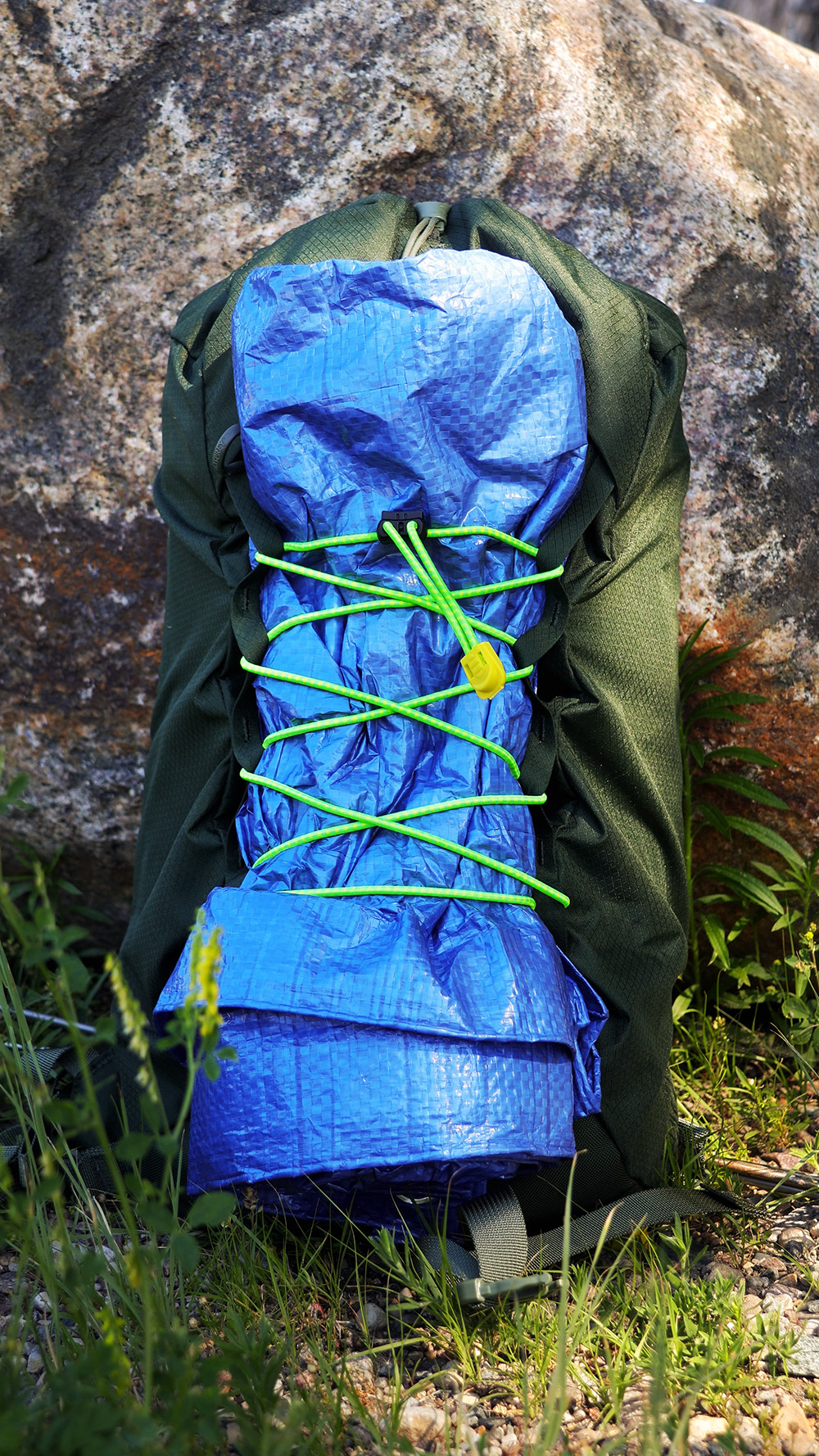
Pack and hammock straps benefit from the same give, letting the load shift slightly instead of digging in at one fixed point. On the water, shock cord handles boat rigging and anchor tension well, since the cord absorbs load as a vessel moves with waves and tide instead of snapping tight against every swell.



Crafter and Maker Uses
Shock cord's stretch does double duty in builds where a clasp would otherwise be required. Bracelet and lanyard designs can use the cord itself as the closure, no hardware needed. The same principle applies to dog leash builds, where stretch absorbs a sudden pull instead of transferring it directly to your arm. If you're building for a dog, the ways to use paracord for your dog post covers more builds worth pairing with shock cord.
Around the house, shock cord replaces broken chair straps and patio furniture webbing without needing to source an exact factory match. Headbands and hair ties are a smaller-scale version of the same idea: enough stretch to hold, not so much that it slips.


Repair and Everyday Fixes
Most people reach for shock cord for one job and then find five more. Browse the full shock cord selection before starting a repair to find the right diameter for the fix.
A few fixes worth keeping cord on hand for:
- Replacing lost tent pole shock cord before the next trip
- Rebuilding broken elastic straps
- Managing cables and cords in a garage or workbench setup
- Rigging a temporary paper towel holder for camping, cord threaded through the roll and hooked at both ends
- Stretching cord across the front edge of wire shelving to stop items from sliding off
- Anchoring grocery bags through the handles and hooking around a headrest to stop spills on the drive home
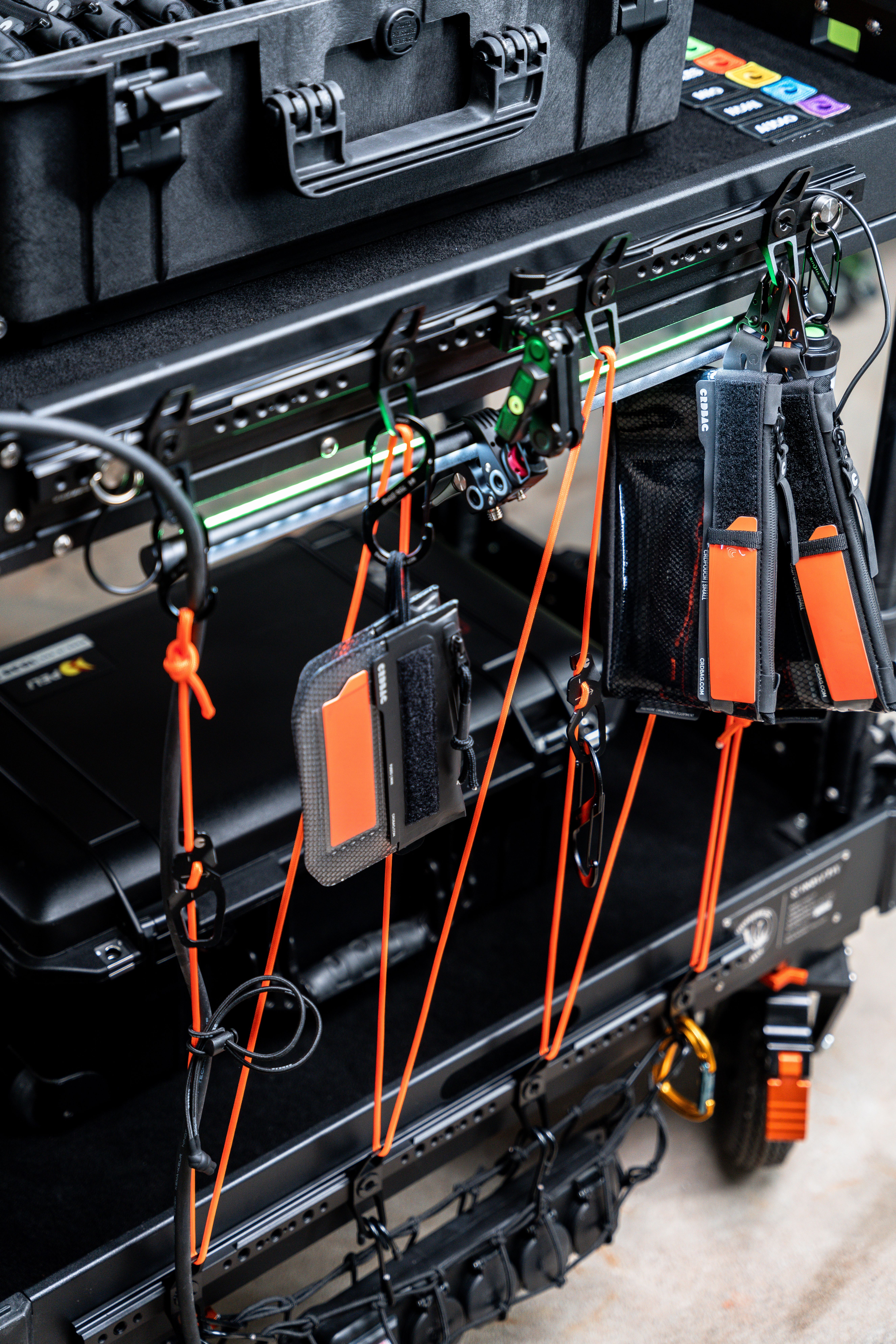
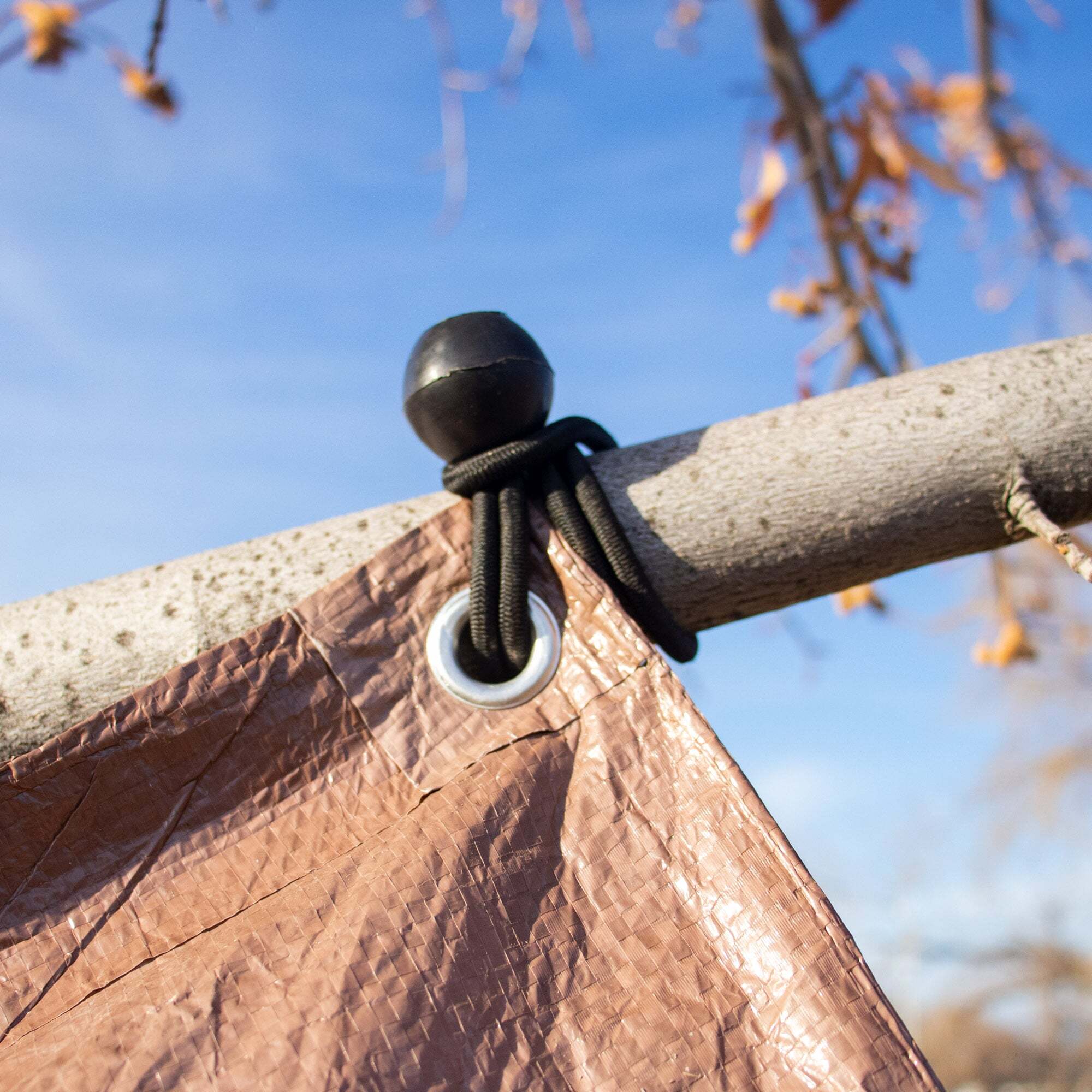
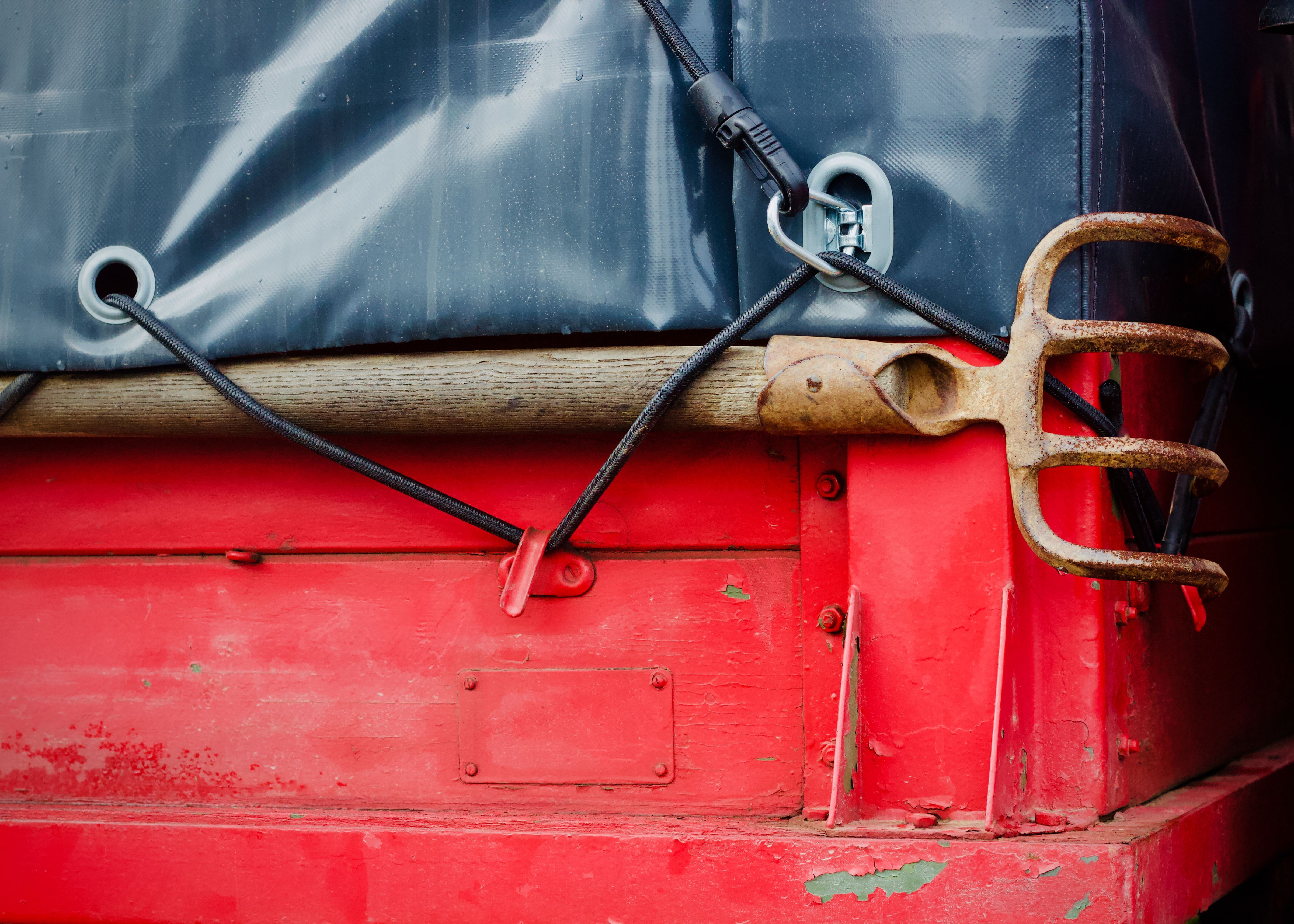
None of these need a special tool or a tutorial. Cut the length, add a hook or a knot, done.
Get the Right Cord for the Job
Shock cord earns its place in a kit or a craft bin by doing one thing well: absorbing load instead of fighting it. Match the diameter to the job, keep the elongation spec in mind, and it'll outlast most quick fixes it's replacing. Shop the full shock cord lineup to find the right size for your next repair or build.